

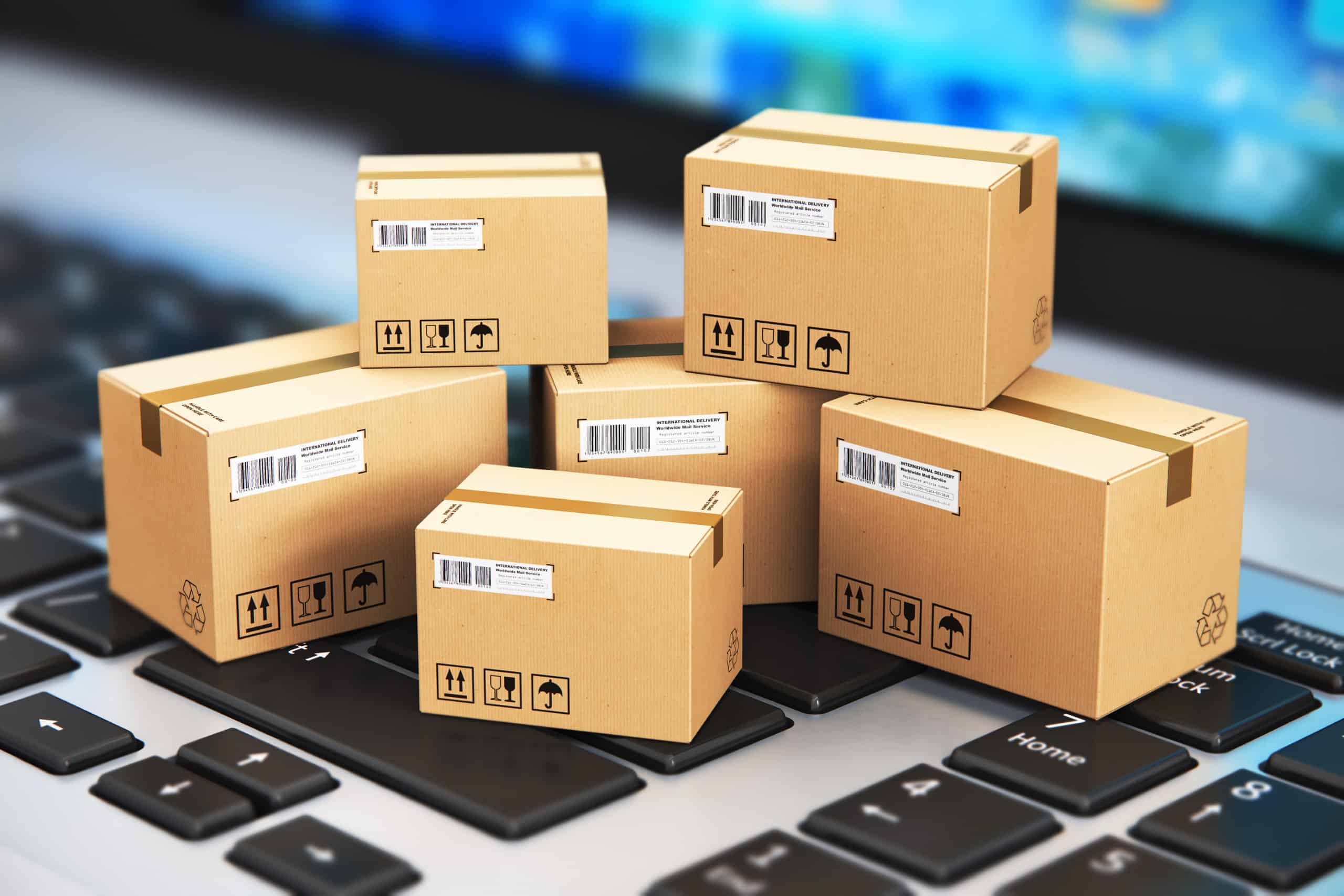
Business parcel shipping services manage high-volume orders through specialised processing systems, infrastructure capacity, and workflow arrangements differing from consumer shipping. Deliveree business parcel shipping services process dozens or hundreds of packages daily through bulk collection, dedicated sorting, priority handling, enhanced tracking, and optimised routing. These operational approaches accommodate business shipping patterns requiring consistent throughput.
Sorting facility operations
Sorting infrastructure processes business volumes efficiently through automation, reducing per-package handling costs while maintaining the speed necessary for meeting delivery commitments across large daily shipment volumes exceeding individual consumer shipping patterns.
- High-capacity conveyor systems – Automated belts move thousands of packages hourly through scanning, weighing, and routing processes without manual handling for each parcel
- Barcode scanning automation – Optical readers capture tracking information as packages pass through facilities, updating systems and determining routing without human data entry
- Dimensional weight calculation – Automated systems measure package sizes, calculating volumetric weight, determining appropriate pricing and space requirements in delivery vehicles
- Damage inspection checkpoints – Quality control stations identify packaging issues before packages leave facilities, preventing delivery problems from inadequate protection
- Exception handling procedures – Problem packages get diverted to manual processing areas where personnel address labelling errors, size constraints, or special handling requirements
Priority processing lanes
Business shipments often receive expedited processing through dedicated handling streams separating commercial parcels from general consumer traffic. Express lanes handle time-sensitive business packages requiring same-day or next-day delivery. Commercial sorting areas process business-to-business shipments separately from residential deliveries. Priority scanning updates tracking systems faster, providing real-time visibility. Dedicated personnel focus on business packages during peak periods, preventing delays. Early morning processing prepares business deliveries for the first delivery runs.
Tracking system capacity
Robust tracking infrastructure supports business needs for visibility, reporting, and system integration at scales exceeding what consumer-focused tracking systems typically handle in terms of concurrent users and data volumes.
- Database scalability infrastructure – Backend systems handle millions of tracking updates daily without performance degradation as volumes increase during business peak periods
- API integration bandwidth – Technical connections supporting business software can process thousands of label generation requests and tracking queries simultaneously
- Real-time update frequency – Systems refresh package status information every scan point, providing current location visibility rather than delayed batch updates
- Historical data retention – Long-term storage maintains shipping records for accounting, auditing, and analysis purposes that businesses require beyond immediate delivery confirmation
- Multi-user access capability – Business accounts support multiple employees accessing tracking simultaneously from different locations without system limitations or access conflicts
Delivery route planning
Route optimisation algorithms incorporate multiple business stops into efficient sequences, minimising total distance while meeting delivery windows. Software considers package quantities at each stop, allocating appropriate vehicle capacity. Time constraints accommodate business receiving hours versus residential deliveries accepting wider windows. Geographic clustering groups nearby business locations for sequential delivery. Driver familiarity with commercial areas improves efficiency in navigating loading docks and business complexes.
Dynamic routing adjusts for traffic conditions or urgent additions. Proof of delivery systems capture business recipient signatures electronically. Route density analysis identifies high-volume areas justifying dedicated delivery resources. Specialised infrastructure accommodates the consistently high volumes that businesses generate daily. Dedicated handling streams separate commercial shipments from consumer traffic. Systems scale supporting visibility and integration needs. Route planning maximises efficiency across multiple business stops.
