

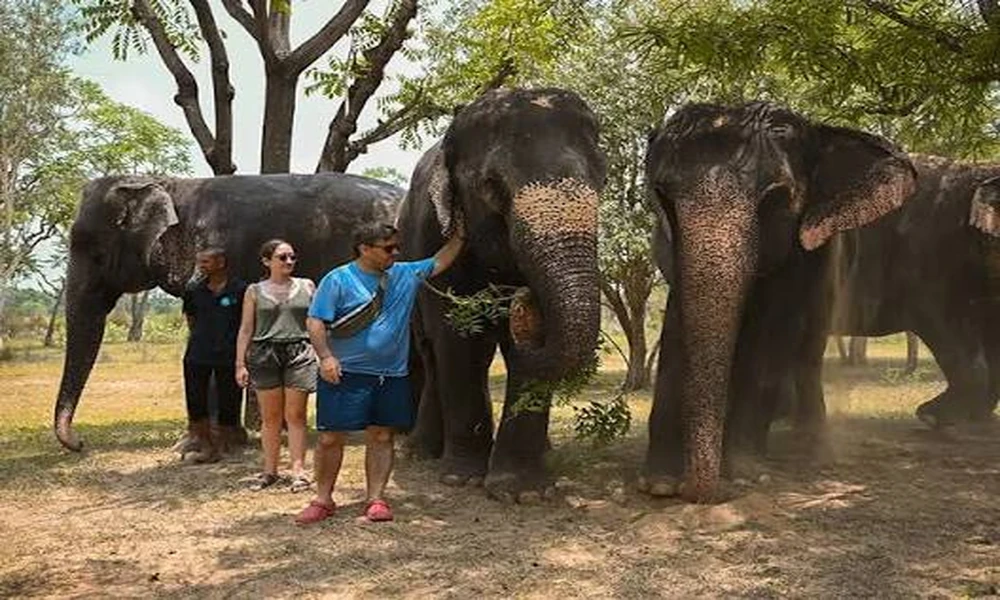
Respect for wildlife begins when people place animal needs before personal excitement. An elephant sanctuary should provide suitable surroundings where large animals can move freely and maintain familiar routines. Visitors can learn through quiet observation while avoiding actions that cause stress. Responsible choices also encourage stronger protection standards. For a meaningful wildlife experience, choosing ethical elephant sanctuary thailand supports responsible care and respectful elephant experiences.
Creating Safe Spaces Naturally
Suitable surroundings allow elephants to move freely throughout their daily routines. Open areas can encourage natural movement without unnecessary restrictions or pressure. Caretakers should maintain surroundings that support social behavior and regular activity. Visitors can observe these patterns without interrupting the animals’ normal rhythm.
Why Does Gentle Observation Matter?
Quiet watching gives elephants greater control over their surroundings during visitor activities. Guests should maintain suitable distances while following guidance from trained caretakers. Avoiding loud behavior can reduce unnecessary disturbance during sensitive periods. Respectful observation also allows visitors to learn more about elephant welfare through ethical elephant sanctuary thailand programs.
Encouraging Better Visitor Conduct
Thoughtful conduct helps create a safer setting for animals and caretakers alike. Guests should listen carefully before entering observation areas or joining supervised activities. Respecting boundaries shows consideration for creatures that cannot choose visitor interactions. Simple actions can encourage stronger standards throughout wildlife protection programs.
How Can Conservation Gain Support?
Conservation efforts become stronger when visitors understand their personal role in protection. Educational guidance can explain habitat needs while encouraging responsible choices beyond the visit. Support may contribute toward suitable surroundings and ongoing protection activities. Such involvement can connect public interest with lasting care for vulnerable animals.
Which Choices Show Genuine Responsibility?
Visitors can follow several simple habits that place animal welfare first.
- Observe quietly while allowing elephants sufficient personal space.
- Follow caretaker instructions before approaching designated viewing areas.
- Avoid actions that interrupt natural movement or social behavior.
- Support programs that prioritize protection over entertainment-focused activities.
- Share responsible wildlife values with friends after visiting.
Responsible wildlife care depends on consistent choices rather than temporary attention. Suitable surroundings, careful observation, informed conduct, and conservation support can create stronger protection standards. Visitors should favor programs that respect animal needs and limit unnecessary interaction. Such decisions encourage better practices while helping preserve natural behaviors for future generations.
FAQ
What should visitors prioritize during responsible elephant activities?
Visitors should prioritize animal welfare over personal entertainment or interaction.
How can guests reduce disturbance during supervised wildlife visits?
Guests can remain quiet and follow caretaker instructions carefully.
Why is natural behavior important for elephant protection?
Natural behavior reflects healthy routines and supports animal wellbeing.
