

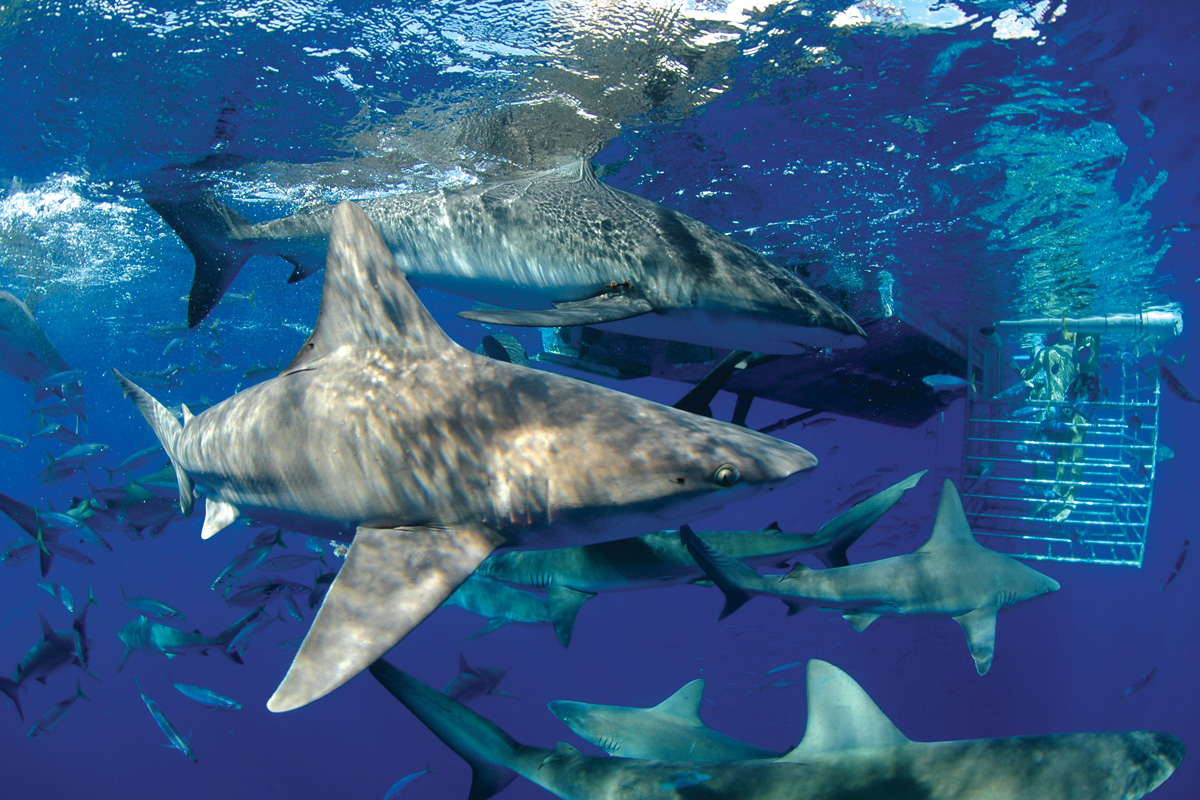
The state of Hawaii is renowned for its diverse marine ecosystem, and shark interactions have become one of the highlights of the island-hopping experience. One can take a cage dive with sharks in Oahu, for example, and learn about marine predators in their natural habitat while learning about the marine ecosystem at the same time.
Hawaii’s Marine Environment
Hawaiian Islands have a highly diversified marine ecosystem around them that serves as a shelter to a variety of marine organisms, including fish, turtles, dolphins, rays, and sharks. There are different shark species that feed differently, behave differently, and have different habitat preferences. The geographical isolation of the Hawaiian Islands has played a big role in forming a unique biodiversity in this region. For tourists, observing this environment will help them better understand interactions among different species in an oceanic ecosystem.
Understanding Shark Behavior
Education on how sharks behave in the wild helps prevent more dangerous encounters. Unlike what may be seen in some portrayals, sharks don’t normally look for humans to attack them. Sharks’ behaviors differ depending on the species, the surroundings, food, and other aspects.
It’s important to know how sharks behave so one can learn how to handle them. Their actions may change instantly, and that’s why safety rules and professionals are needed in such situations. Knowing about shark behaviors enables people to have real information about them in the first place.
The Role of Guided Experiences
Shark interactions are usually organized with the help of well-trained crew members familiar with the area and marine conditions. Participants, before going into the water, could be provided with information about safety measures, equipment, conditions, and conduct around animals.
There are different forms of how the interaction could take place, depending on the location and type of the encounter. Some programs include shark observation from above the surface, while others allow viewing sharks in underwater pens. Despite the form, most responsible operators will stress the importance of keeping the proper distance from the animals.
Conservation and Education
Sharks may further help increase awareness of marine conservation issues. Sharks have important ecological functions, and variations in the numbers of sharks may impact marine food chains. Tourism activities that include educational information can educate tourists about topics including overfishing, habitat alteration, pollution, and the need for maintaining marine habitats. Information regarding these factors can put a wildlife experience into a conservation perspective. In the case of Hawaii, marine conservation has special significance since Hawaii depends greatly on its coastal environments.
Responsible Marine Tourism
Responsible Tourism is all about taking into account both the enjoyment of the visitors and the conservation of nature around them. This is even more relevant when talking about marine life tours, as wild animals are not treated the same way as attractions in captivity. Visitors can be responsible tourists by making sure they follow safety guidelines, not trying to pet or feed the wildlife if it is not allowed and conserving the marine environment with the rules that are in place. The actions of visitors have an impact on their own safety as well as on other people enjoying the water.
Experiencing Hawaii’s Marine Life
Shark encounters present visitors with another view of Hawaii’s coast because of their focus on wildlife that is frequently misunderstood. Viewing shark encounters through an educational, safe, and respectful lens is essential, as these experiences can become transformative lessons about the oceanic ecosystem, moving beyond simple animal observation to foster a deeper appreciation for marine life. When thinking about participating in a shark cage encounter or any other activity that involves observing sharks or cage dive with sharks in Oahu, travellers may find information about the role of sharks in the ecosystem and responsible marine tourism helpful.
